
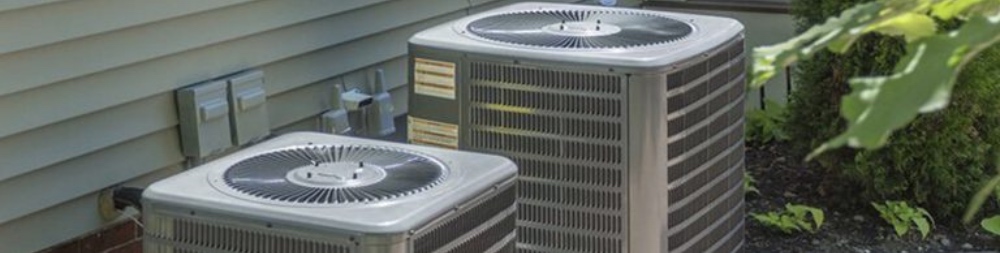
Heat Pumps
When you think about cooling or heating a space or water volume, air-conditioning and boilers are often the first solutions that come to mind. But when energy efficiency and running costs are considered, the heat pump proves to be a far superior option.
A heat pump uses a small amount of electricity to transfer heat instead of generating it by burning fuel. This makes it an eco-friendly, cost-saving technology for both heating and cooling applications. Smart Age air sourced heat pumps can draw their energy from air, and transfer it to a water medium for heating or cooling applications.
What is an Air Sourced Heat Pump?
An air sourced heat pump is essentially a system designed to move heat from air to water with remarkable efficiency. During winter, it extracts warmth from the outside environment, even in cold conditions, and transfers it indoors to maintain a comfortable temperature. In summer, the cycle is reversed, allowing the system to remove indoor heat and provide consistent cooling. By combining both functions into a single integrated solution, heat pumps eliminate the need for separate heating and cooling systems, offering a practical, reliable, and energy-conscious choice.
Heat pumps can be applied in residential, commercial, and industrial environments and are suitable for:
How do Heat Pumps Work?
Heat pumps operate on a simple but highly efficient principle:
This closed-loop process allows heat pumps to deliver 3 to 5 times more energy than they consume, which translates into significant savings on energy bills. This is called the Coefficient of Performance (COP). For example if a heat pump has a COP of 4, this means that for every 1 kWh electricity input the heat pump consumes, it can generate 4 kWh of heating or cooling at its output.
Benefits of Heat Pumps
Applications
Environmental Advantages
By relying on renewable energy sources like air, water, and geothermal heat, heat pumps dramatically cut down CO₂ emissions. When powered by renewable electricity, they can deliver near-zero carbon heating and cooling.
FAQs about Heat Pumps
Smart Age provides tailored heat pump solutions that maximize comfort, efficiency, and sustainability. Contact Us Now to learn more about how a heat pump can transform your energy use.